

.webp)
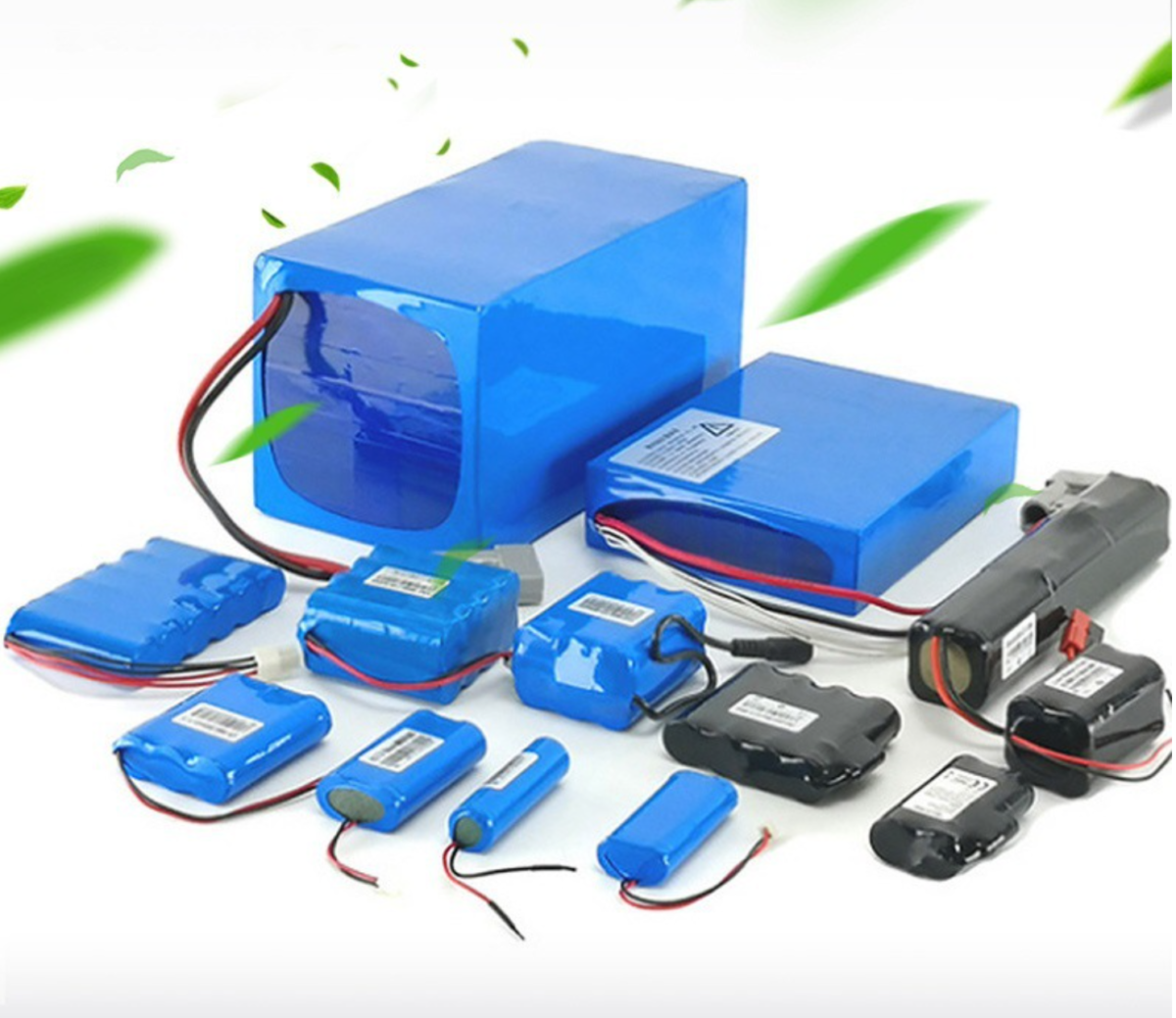
Ancoo is a costom Lithium ion battery pack manufacturer in China. We have deep expertise in designing and manufacturing Li-ion battery packs.
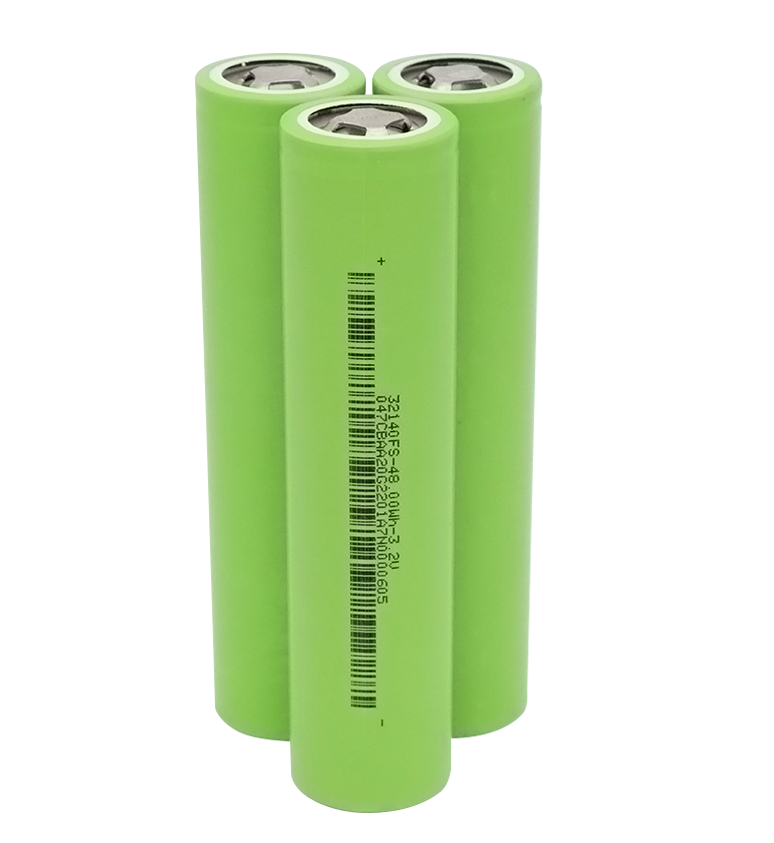
Cylindrical lithium battery cells are the most popular battery pack type for 3C products. Another is lithium-ion battery packs assembled with big-capacity Al-shell prismatic lithium battery cells. They are popular in applying light electric vehicles and energy storage systems.
Battery pack users may request or require to use Battery cells with IEC 62133 or UL1642 certification and packs with UL 2054 and or IEC 62133 certification to show compliance to use in an end product system, Ancoo has a strong competence in all associated battery cell and pack regulatory approvals. End systems users of Battery packs may also require UN38.3 and or other transportation related certifications. We have a staff who is certified to ship battery packs and can acquire any transportation required certifications requested.
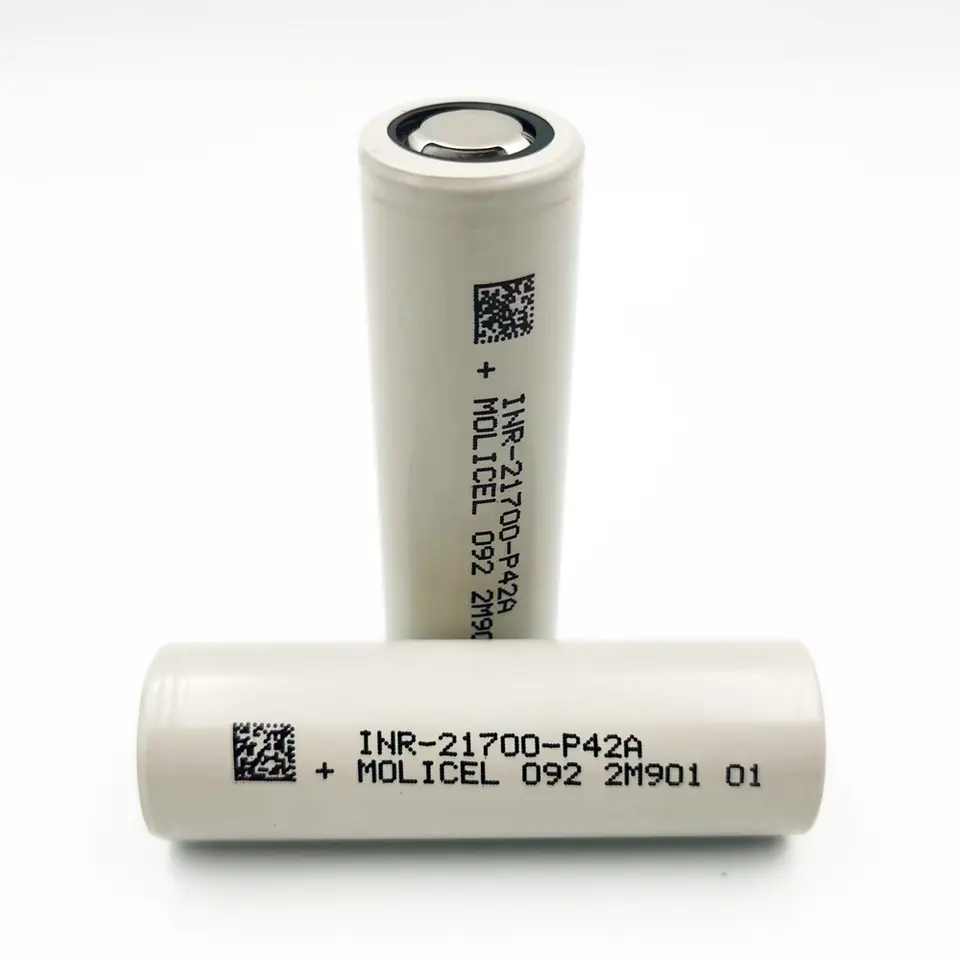
We use fresh cylindrical cells from Panasonic, Murata, Samsung, LG, Molicel, EVE, Lishen, and prismatic Al-shell cells mainly from CATL, BYD, CALB, EVE and Svolt.
We are able to match our custom Lithium Ion battery pack to a custom battery charger designed for each specific application also keeps our customers a step ahead of the competition. We design and optimize both battery pack and battery charger during the design phase to provide the best possible performance.
Customize a Lithium Ion Battery Pack now
The following introduces several sizes of cylindrical lithium batteries.
| Names | Other name | Capacity (mAh) | Dimensions (mm) Diameter x Length | Uses |
| 10440 | AAA | 250 – 350 | 10 x 44 | mainly used in mini electronic products, such as tiny flashlights, mini stereos, loudspeakers, etc |
| 14500 | AA | 700 – 1200 | 14 x 50 | consumer electronics, such as LED flashlights, wireless audio, electric toys, digital cameras, etc. |
| 16340 | CR123A | 400 – 900 | 16 x 34 | LED flashlights, headlights, laser lights, etc. |
| 18650 | 1865 | 1500 – 4000 | 18 x 65 | Used in many laptop computer batteries, cordless power tools, certain electric cars, electric kick scooters, most e-bikes, vaping, and LED flashlights. |
| 21700 | 2170 | 3000 – 6000 | 21 x 70 | E-bikes, solar street lights, LED lights, portable power tools, etc. |
| 26650 | 2665 | 2400 – 6000 | 26 x 65 | For radio control hobby use. Also used in larger, high-powered LED flashlights and some electronic cigarettes. |
| 32650 | 3265 | 5000 – 6500 | 32 x 67.7 | Suitable for electric toys, backup power supply, UPS batteries, wind power generation systems, and wind-solar complementary power generation systems. |
Lithium-ion cells are made in various sizes, often assembled into battery packs for portable equipment. Many types are also available with an internal protection circuit to prevent over-discharge and short-circuit damage. This can increase their physical length; for example, an 18650 is around 65 mm long, but may be around 68 mm long with an internal protection circuit. Safe and economic recharging requires a high quality charger specified for these cells. Popular applications include laptop battery packs, electronic cigarettes, flashlights, electric vehicles, and cordless power tools.
Our BMS engineer will choose the reliable IC or MCU from TI, ST, SEIKO, or RICOH. We can design a trustworthy and intelligent PCM/BMS with Bluetooth, NTC, GPS, and communication protocol. These include CANBus, SMBus, RS485, I2t, UART, etc. Then we will manufacture it in our own SMT facility.
Our structural engineer can offer suitable structural solutions to fit your device’s battery room. These include wire connectors, FPC connectors, Pin connectors, PVC, plastic, or steel housing. We have our automatic and semi-automatic production line and MES system. With the help of these, we can provide stable quality and affordable custom Lithium ion battery packs for our customers worldwide.
Lithium Ion Battery Advantages
- High energy density – potential for yet higher capacities.
- Does not need prolonged priming when new. One regular charge is all that’s needed.
- Relatively low self-discharge – self-discharge is less than half that of nickel-based batteries.
- Low Maintenance – no periodic discharge is needed; there is no memory.
- Specialty cells can provide very high current to applications such as power tools.
Applications of Lithium-Ion Battery Packs
Portable Medical Equipment
- Infusion pumps
- Portable X-ray systems
- Respirators
- Defibrilators
- Surgical tools
- Patient monitoring devices
- Motorized beds and carts
- Muscle stimulators
Handheld Electronics
- Handheld printers
- Measurement devices
- Data collection devices
- Gas detection systems
- Image capture devices
Safety and Security
- Night vision cameras
- Surveillance equipment
- Thermal imaging devices
- Wearable gas detection systems
- Personal alarms
Military
- Ruggedized Portable communications equipment
- Ruggedized Computing devices
- Power Tools and Appliances
- Measuring equipment and Lasers
- Construction/Assembly equipment
Communications
- Mobile Phones
- Mobile Electronic Devices
- Mobile industrial Computers
Limitations of Li-Ion Batteries
- Requires protection circuit to maintain voltage and current within safe limits.
- Subject to aging, even if not in use – storage in a cool place at 40% charge reduces the aging effect.
- Transportation restrictions – shipment of larger quantities may be subject to regulatory control. This restriction does not apply to personal carry-on batteries. (See last section)
- Expensive to manufacture
- Not fully mature – metals and chemicals are changing on a continual basis.
Restrictions on Shipment of Lithium-ion Batteries
Anyone shipping lithium-ion batteries in bulk is responsible to meet transportation regulations. This applies to domestic and international shipments by land, sea and air. Lithium-ion cells whose equivalent lithium content exceeds 1.5 grams or 8 grams per battery pack must be shipped as “Class 9 miscellaneous hazardous material.” Cell capacity and the number of cells in a pack determine the lithium content. Exception is given to packs that contain less than 8 grams of lithium content. If, however, a shipment contains more than 24 lithium cells or 12 lithium-ion battery packs, special markings and shipping documents will be required. Each package must be marked that it contains lithium batteries. All lithium-ion batteries must be tested in accordance with specifications detailed in UN 3090 regardless of lithium content (UN manual of Tests and Criteria, Part III, subsection 38.3). This precaution safeguards against the shipment of flawed batteries. Cells & batteries must be separated to prevent short-circuiting and must be packaged in strong boxes