

.webp)
Custom NiMH Battery Pack Manufacturer
Rechargeable Nickel Metal Hydride (NiMH) batteries are widely used in high-drain portable device applications.
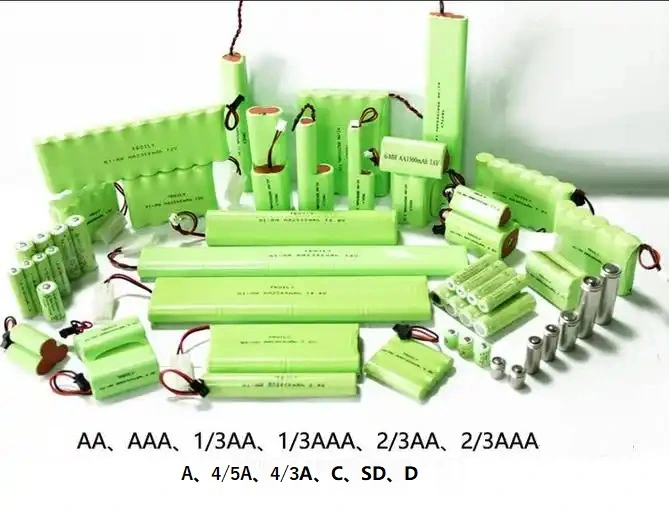
The Ni-MH chemistry is available in almost all the standard cell sizes and configurations. These include a wide range of cylindrical cells (AAA, AA, A, C, D, F, and M), prismatic, and button cells.
These batteries can also be assembled in a wide range of battery pack configurations to meet the increasing demands for portability in electronic equipment.
Ancoo offers complete customization for your NiMH battery packs
- Voltage: 1.2V, 2.4V, 3.6V, 4.8V, 6V, 7.2V, 8.4V, 10.8V, 12V, 24V etc.
- Capacity: 300mah~10000mAh.
- Battery cell model: A, AA, AAA, C, D, F, SC etc.
- Battery Cell brands: Panasonic, FDK, GP, etc..
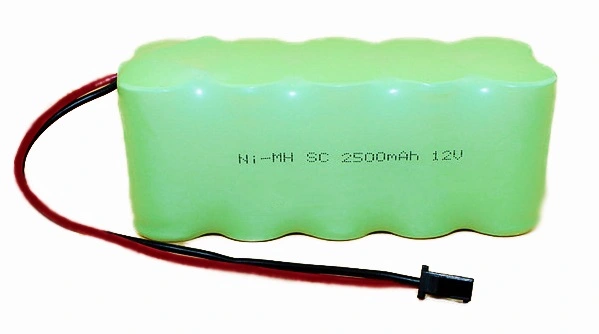
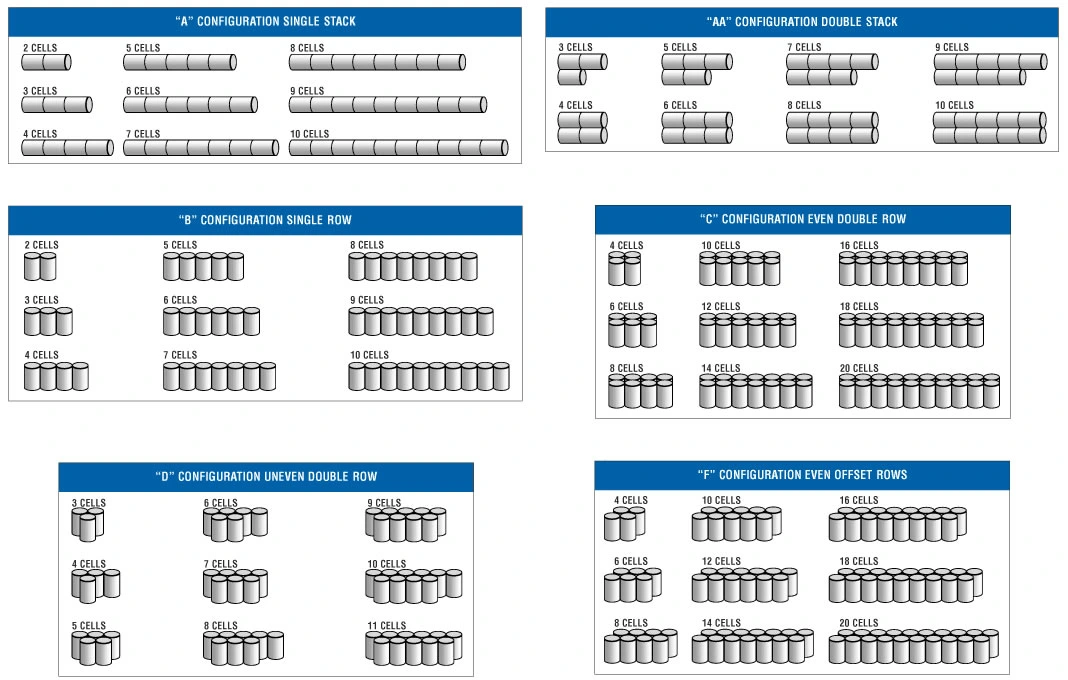
- Configuration: T type, M type, X type, L type etc.
- Wiring harness: wiring methods and wiring harness lengths etc.
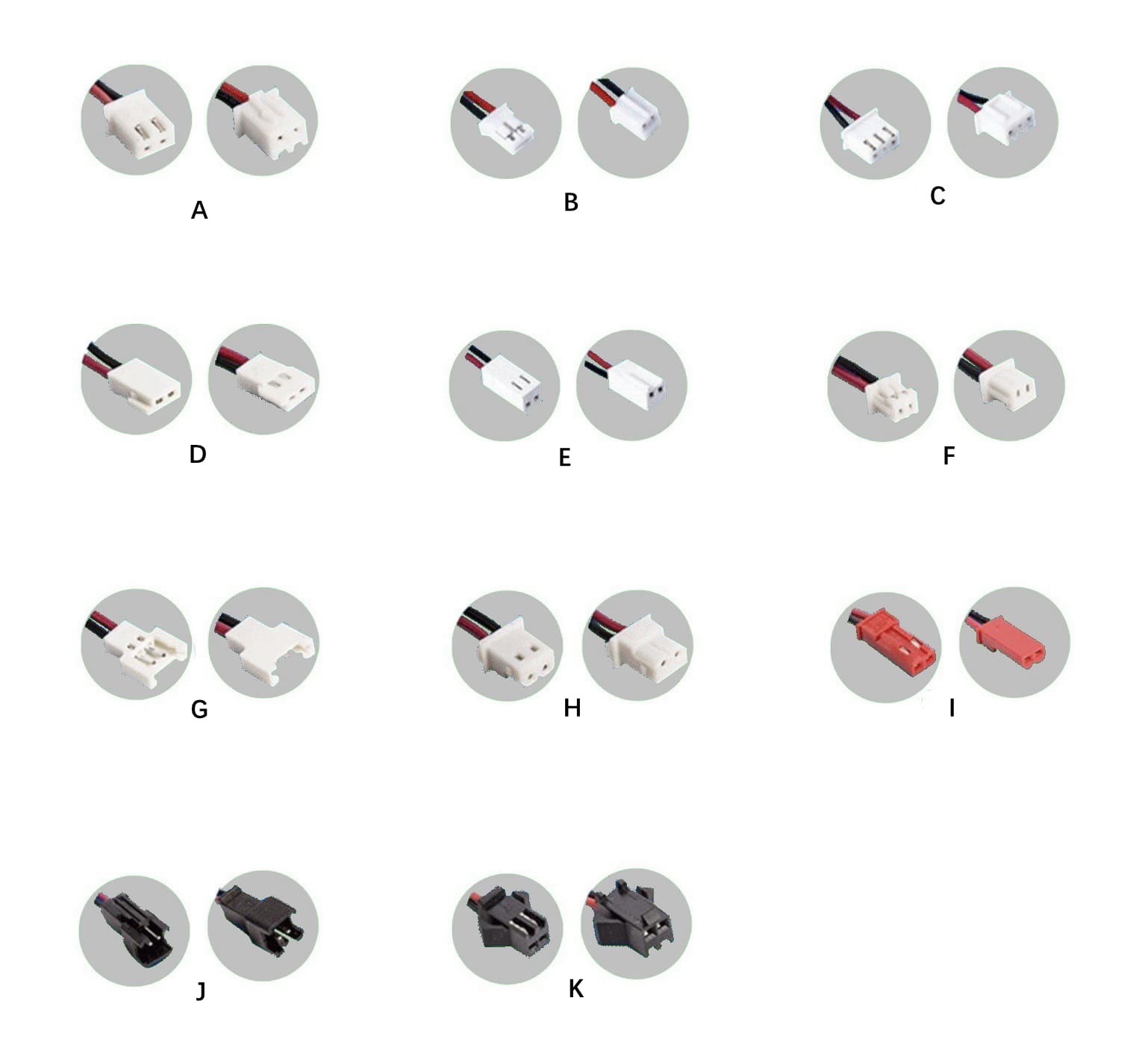
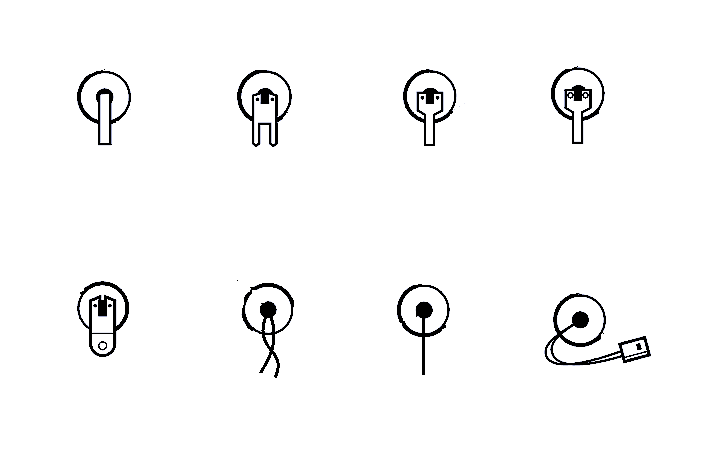
- Connectors and battery casing printing code.
Cell Configurations
Wiring Harness
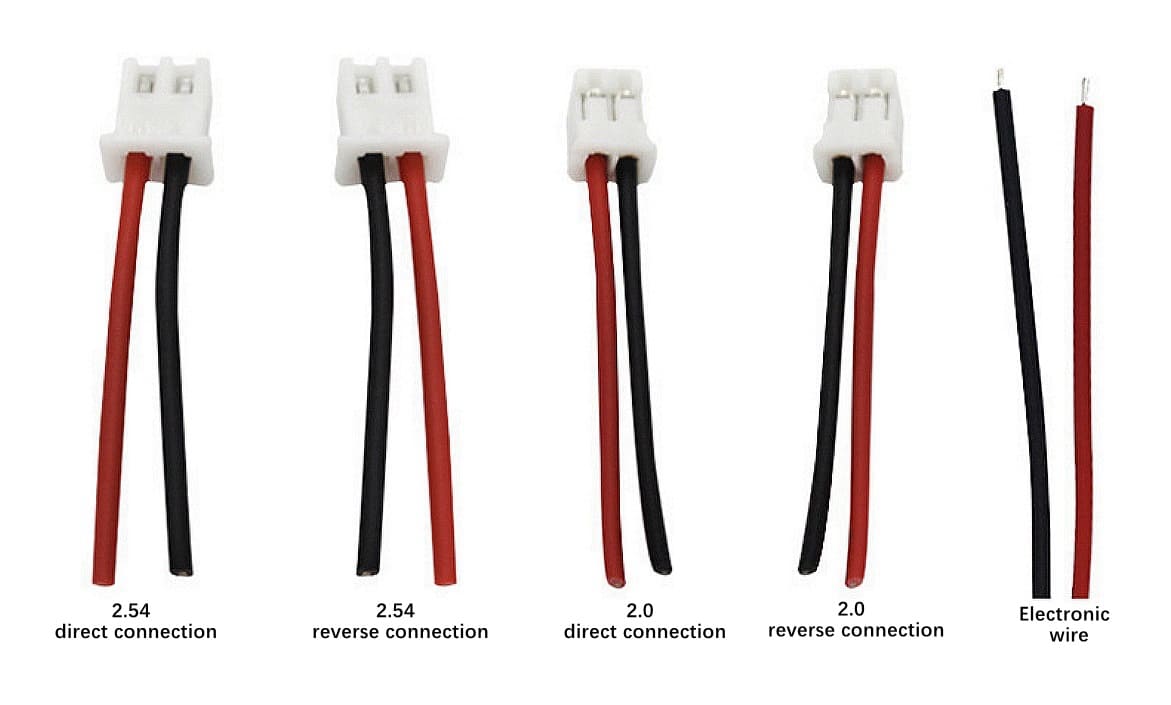
Custom NiMH battery pack wiring harness:
- Direct connection
- Reverse connection
- Electronic wire
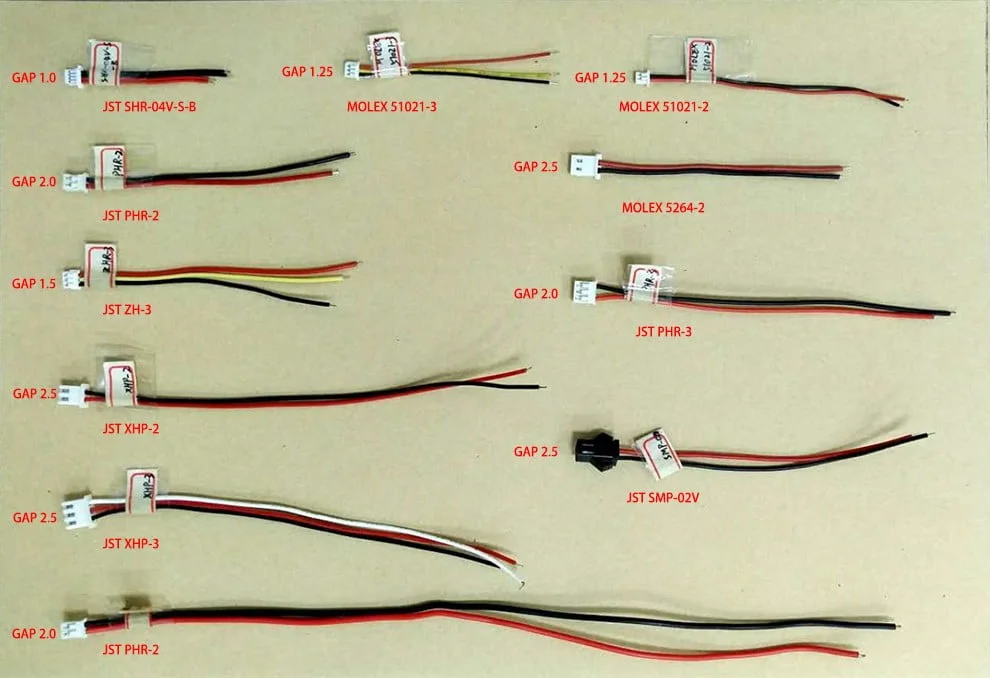
Connectors
Typical Applications of NiMH Battery Packs
Communications
- Two-way Radios
- Mobile Electronic Devices
- Mobile industrial Computers
Handheld Electronics
- Handheld printers
- Measurement devices
- Data collection devices
- Gas detection systems
- Image capture devices
Military
- Ruggedized Portable communications equipment
- Ruggedized Computing devices
- Power Tools and Appliances
- Measuring equipment and Lasers
- Construction/Assembly equipment
Portable Medical Equipment
- Night vision cameras
- Surveillance equipment
- Thermal imaging devices
- Wearable gas detection systems
- Respirators
- Personal alarms
Safety and Security
- Ruggedized Portable communications equipment
- Ruggedized Computing devices
- Power Tools and Appliances
- Measuring equipment and Lasers
- Construction/Assembly equipment
Ni-MH Battery Features
Fusce lobortis
- Higher energy density: Offers greater capacity and energy density than older NiCd batteries.
- Long cycle life: Can be recharged many times, often over 500 charge-discharge cycles, making them durable.
- High charge/discharge capability: Can deliver 10C high currents for power-intensive applications like power tools and hybrid vehicles.
- Temperature range: Typically operates in a wide temperature range, from -20°C to 60°C or higher in some models.
Environmental and safety
- Environmentally friendly: Free of toxic cadmium, making them safer for disposal and recycling compared to NiCd batteries.
- High stability: Known for good safety and stability, with vents to release excess pressure under abusive conditions.
Drawbacks
- Higher self-discharge rate: Lose their charge faster than some other battery types when not in use, though "low self-discharge" versions exist.
- Lower energy density than lithium-ion: Has a lower energy density than modern lithium-ion batteries, meaning they are heavier for the same amount of energy.